

If you have shopped for a new phone, laptop, or solid-state drive recently, you might have noticed a quiet creep in retail pricing. The sticker shock is real. While standard inflation and corporate margin targets play a role, the primary force driving up the cost of your personal hardware is actually an invisible infrastructure boom happening thousands of miles away in enterprise data centers.
The massive rush to build artificial intelligence has created an unprecedented demand for high-end silicon. This demand is shifting the entire semiconductor supply chain, leaving everyday consumers to pay the premium. While tech companies heavily market the software features of their new AI-powered devices, the true cost of AI is embedded in the hardware supply chain that manufactures the chips themselves.
The Battle for Silicon: How AI Data Centers Compete for Factory Space
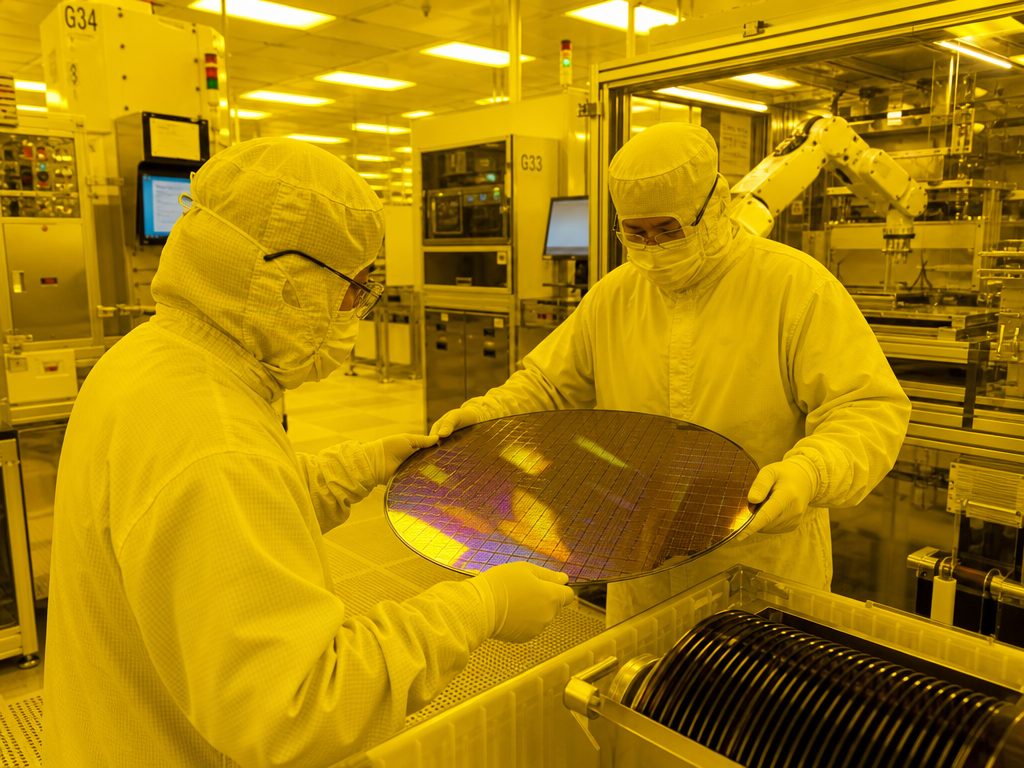
AI models require an enormous amount of computational power to train and run. This power comes from specialized graphics processing units and accelerators housed in massive, warehouse-scale data centers. However, these complex AI chips are made in the very same semiconductor fabrication plants that produce the processors for your home computers and mobile phones.
Because global silicon manufacturing capacity is strictly finite, a sudden spike in one sector creates an immediate bottleneck elsewhere. Chip manufacturers are businesses looking for the highest possible return on their massive investments in factory equipment. When given the choice, they naturally prioritize the production of high-margin AI processors over lower-margin consumer chips. This reallocation of manufacturing capacity reduces the supply of standard consumer silicon, driving up the baseline cost of producing everyday consumer electronics.
Memory Matters: Understanding HBM, RAM, and NAND
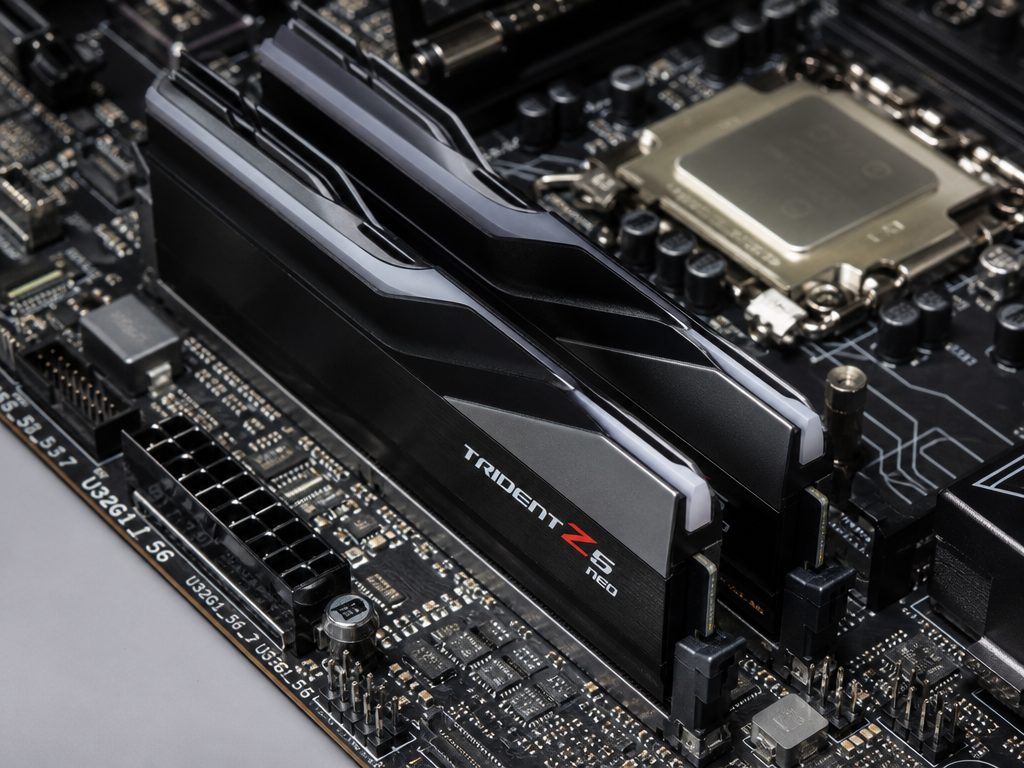
To understand exactly how this supply-chain pressure reaches your wallet, it helps to look at the memory inside your devices. Not all computer memory is created equal, and the current AI boom is affecting different types in distinct ways.
High-Bandwidth Memory (HBM) is an ultra-fast, premium category of memory used specifically in high-performance AI processors and enterprise data centers. Because HBM requires highly complex packaging and manufacturing processes, it consumes a disproportionate amount of factory capacity.
Meanwhile, your everyday devices rely on two other memory formats. DRAM, commonly referred to as RAM, serves as the temporary working memory that lets your laptop run multiple apps at once. NAND is the non-volatile storage format used in solid-state drives (SSDs), flash drives, and smartphones to store your photos, operating system, and applications.
As chipmakers shift their production lines to maximize lucrative HBM output for data centers, the production capacity available for standard RAM and NAND is shrinking. This structural shift has created a tight supply market for consumer memory. In the desktop PC space, the squeeze has already driven up costs significantly. According to a report by Tom’s Hardware, some high-capacity consumer memory kits have experienced dramatic price spikes, with 64GB kits attracting prices beyond $500, with one seller listing them for a whopping $881.87 as of December 18.
The Direct Impact on Smartphones and Computers

When the component parts become more expensive, device manufacturers are forced to make a difficult choice: absorb the higher costs and watch their profit margins shrink, or pass those expenses directly to the buyer. For most electronics brands, the cost is passed down.
The tightening supply of essential hardware is already creating friction. For instance, a market report published by ajupress.com, referencing data from the International Data Corporation (IDC), suggests that global smartphone shipments could decrease by 12.9 percent this year due to memory shortages. Fewer shipments and higher component costs ultimately translate to higher retail prices for next-generation consumer devices.
Beyond AI: Other Forces Driving Up Tech Prices

While the current AI infrastructure boom acts as a massive accelerator for these price hikes, other distinct market forces are also at play. The semiconductor industry has always been highly cyclical, moving through predictable periods of oversupply and severe shortages even without the added pressure of artificial intelligence.
Macroeconomic factors also continue to apply upward pressure across the board. Global inflation has made raw materials, transport logistics, and factory labor more expensive. Packaging, shipping, and energy costs have all risen over the last several years, compounding the manufacturing expenses of even the most basic electronic components. Understanding this broader landscape helps paint a complete picture: AI is a massive new variable, but it sits on top of an already strained global economic engine.
| Profile | Core Benefit | Primary Trade-off |
|---|---|---|
| High-Bandwidth Memory (HBM) | Delivers massive data speeds essential for processing complex AI algorithms in data centers. | Extremely expensive to produce and diverts factory capacity away from standard consumer memory. |
| DRAM (RAM) | Provides rapid temporary workspace for apps running on everyday laptops and smartphones. | Supply is tightening as manufacturers shift production lines to HBM, leading to higher retail prices. |
| NAND Flash Memory | Offers stable, high-capacity long-term storage for SSDs and mobile phone storage. | Fewer fabrication lines remain dedicated to standard storage, raising prices for consumer drives. |
Timing Your Tech Upgrades: Should You Buy Now or Wait?

If your laptop is on its last legs or your phone is struggling to hold a charge, managing this volatile market requires a strategic approach. Waiting for prices to drop might seem like the logical move, but industry forecasts suggest that relief is not coming anytime soon.
Memory prices are projected to remain volatile and elevated well into 2027. While holding off on a purchase might theoretically allow you to buy slightly more advanced technology down the road, it also exposes you to the real risk of compounding price increases over the next several years.
If you genuinely need a new computer or smartphone, buy what you need today rather than waiting for a market correction that may not arrive for years.
Buying now secures your hardware at known current rates, bypassing the uncertainty of a semiconductor market that is increasingly aligned with the deep pockets of enterprise AI buyers.