

The standard postcard of Singapore is a study in clinical perfection: towering glass structures, a casino shaped like a ship balanced across three skyscrapers, and pristine roads lined with manicured palms. To the visitor, it looks like an impossible oasis, a glittering anomaly conjured from a tropical swamp. But the city’s true definition does not live in these landmark spectacles. It exists in the silent, highly engineered daily systems that the average tourist never notices.
This city-state functions as a highly integrated ecosystem where urban planning, social engineering, and mundane infrastructure are fused to make high-density living livable. Spanning just over 700 square kilometers, the island manages to feel spacious while housing nearly six million people. This is not an accident of nature. It is the result of deliberate choices that prioritize collective stability over individual whim. Understanding Singapore requires looking past the skyline to see how green spaces, housing policies, public transit, and automated utilities are combined to construct social cohesion, and examining the systemic trade-offs required to maintain this delicate balance.
Biophilic Infrastructure: Integrating Nature into the High-Density Grid

To survive high-density living, a population needs physical relief from concrete. In Singapore, green spaces are not decorative afterthoughts designed to soften a sterile streetscape. They are planned as vital biophilic infrastructure, engineered to lower the urban heat island effect and offer psychological respite to residents packed into tight quarters.
The government has established concrete targets to ensure this green space remains accessible. Urban planners are working toward a target where 100 percent of Singapore households will live within a ten-minute walk of a park by the year 2030. The physical connectivity of the island’s green network is being systematically expanded, with plans to establish a total of 500 kilometers of park connectors across the city-state by 2030. These corridors link isolated parks to form a green transit web. While they offer scenic paths for pedestrians, they do not completely isolate walkers from the urban grid. Commuters still have to cross traffic intersections, climb overhead bridges, and navigate street-level footpaths to bridge the gaps between green stretches.
The Housing Framework: Engineering Social Integration at Home
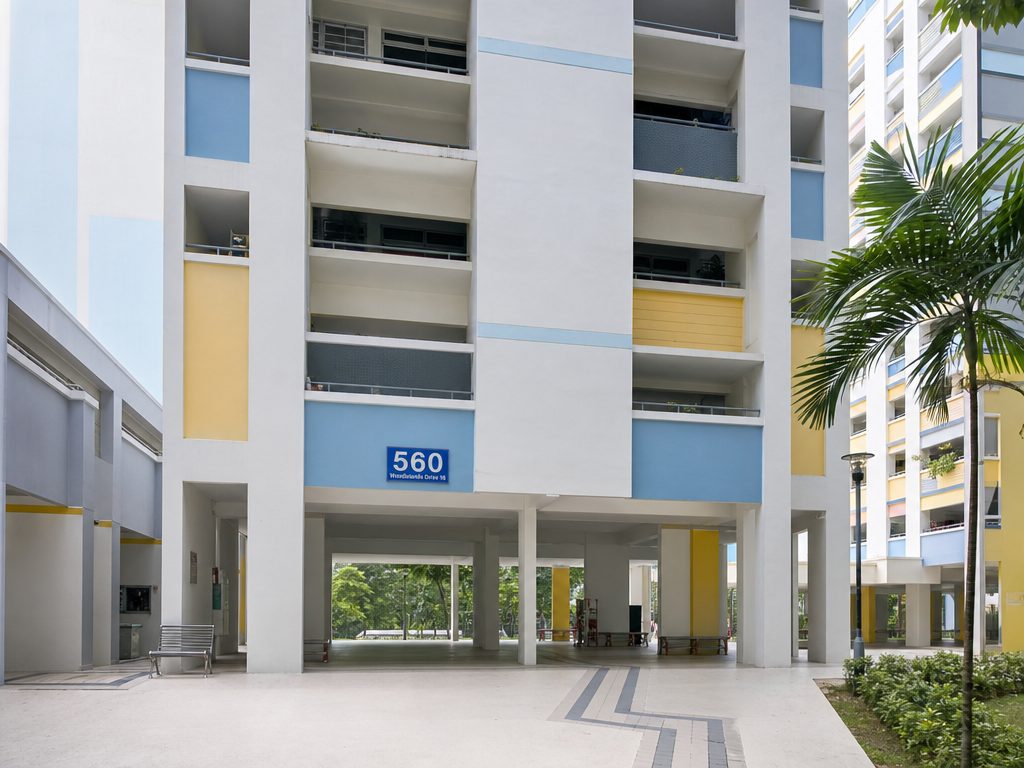
If the green corridors provide physical breathing room, the housing framework provides the structural foundation for social stability. The primary architect of this social fabric is the Housing and Development Board, commonly known as the HDB, which serves as Singapore’s public housing authority.
Unlike Western models where public housing is often associated with urban neglect and low-income concentration, public housing in Singapore is the default baseline for the middle class. An eight in ten ratio of Singapore residents live in public housing flats built by the HDB. Because the state owns the majority of the land and builds the majority of the homes, it holds direct leverage over where people live and who their neighbors are.
To prevent the formation of racial enclaves in these estates, the government implemented the Ethnic Integration Policy (EIP) on March 1, 1989. The system operates through three primary mechanisms:
- The HDB builds the vast majority of the nation’s housing, ensuring the state remains the dominant landlord and developer.
- The Ethnic Integration Policy actively prevents the formation of self-segregating neighborhoods by reflecting national demographic ratios in local developments.
- The policy enforces precise ethnic ownership quotas for every HDB block and neighborhood, regulating resale transactions to maintain racial diversity over decades.
The Friction of Engineered Harmony: Trade-Offs of the Housing Quota System

While this engineered harmony prevents the geographical segregation that plagues many multicultural cities, it introduces friction into the private lives of its citizens. The burden of maintaining national integration does not fall equally on all residents.
Minority homeowners face a restricted pool of eligible buyers and potentially depressed resale prices for their public housing flats if their ethnic quota has been reached. When an Indian or Malay family wants to sell their home in a neighborhood where the Chinese quota is already full, they cannot sell to a Chinese buyer, who represents the majority of the market. They must wait for a buyer from their own minority group, which can delay transactions for months and force them to accept lower bids than their neighbors.
True social engineering does not rely on goodwill; it relies on structures that make isolation mathematically impossible, even when those structures demand individual sacrifice.
This dynamic represents a complex compromise. The state prioritizes collective racial peace over individual financial equity, deciding that the long-term threat of ethnic enclaves is far more dangerous than the localized financial disadvantages suffered by minority sellers.
The Transit Equalizer: Access, Subsidies, and Economic Realities
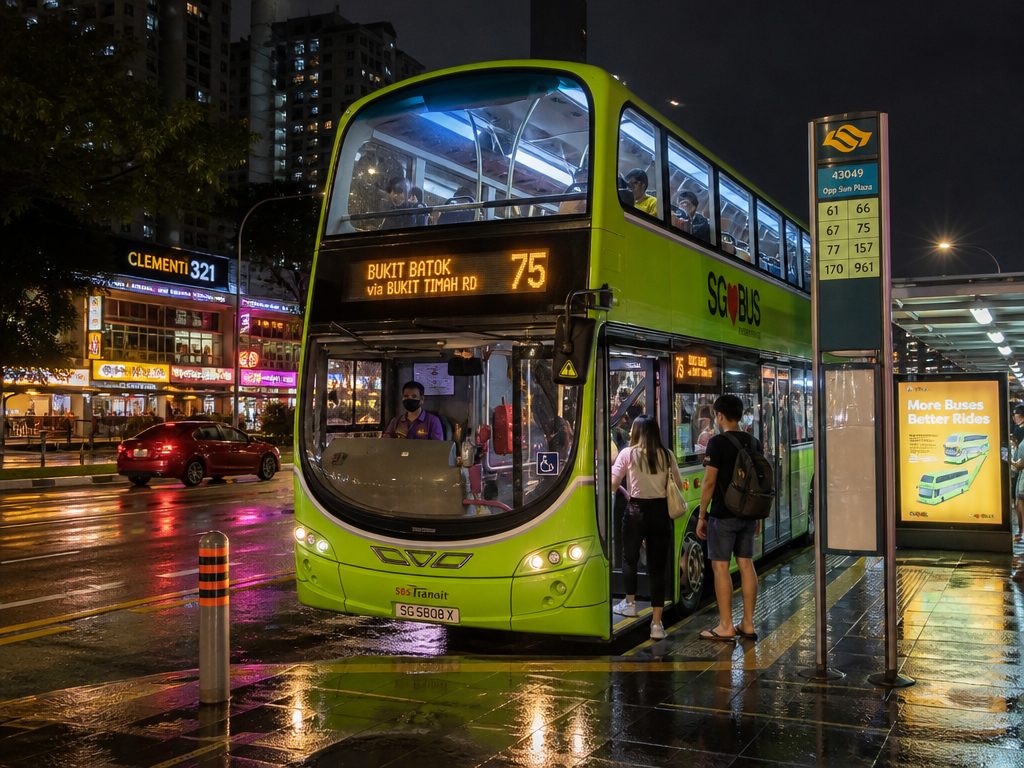
An integrated neighborhood is only useful if its residents can afford to leave it. In Singapore, public transportation is treated as a primary social equalizer, designed to ensure that access to employment, education, and recreation is not restricted by wealth. Private car ownership is intentionally suppressed through heavy taxation, making trains and buses the shared reality for the vast majority of the population.
To keep this system accessible, the state provides massive financial backing. Rather than leaving operators to balance their budgets solely through ticket sales, the Singapore government spends over S$2 billion annually in operational subsidies. In practice, this means the state pays roughly $1 for every single public transport journey taken across the island.
Yet, even with these heavy subsidies, economic realities persist. While targeted support like Workfare Concession Passes and Public Transport Vouchers cushions the impact, public transportation costs remain a notable part of household budgets. According to data from the Ministry of Transport, lower-income households spend closer to 2.4% of their household income on public transport, a figure that is much lower than the extreme spending of heavy transit users but still represents a constant, unavoidable cost of daily life.
Subterranean Efficiency: Automated Cleanliness Behind the Scenes
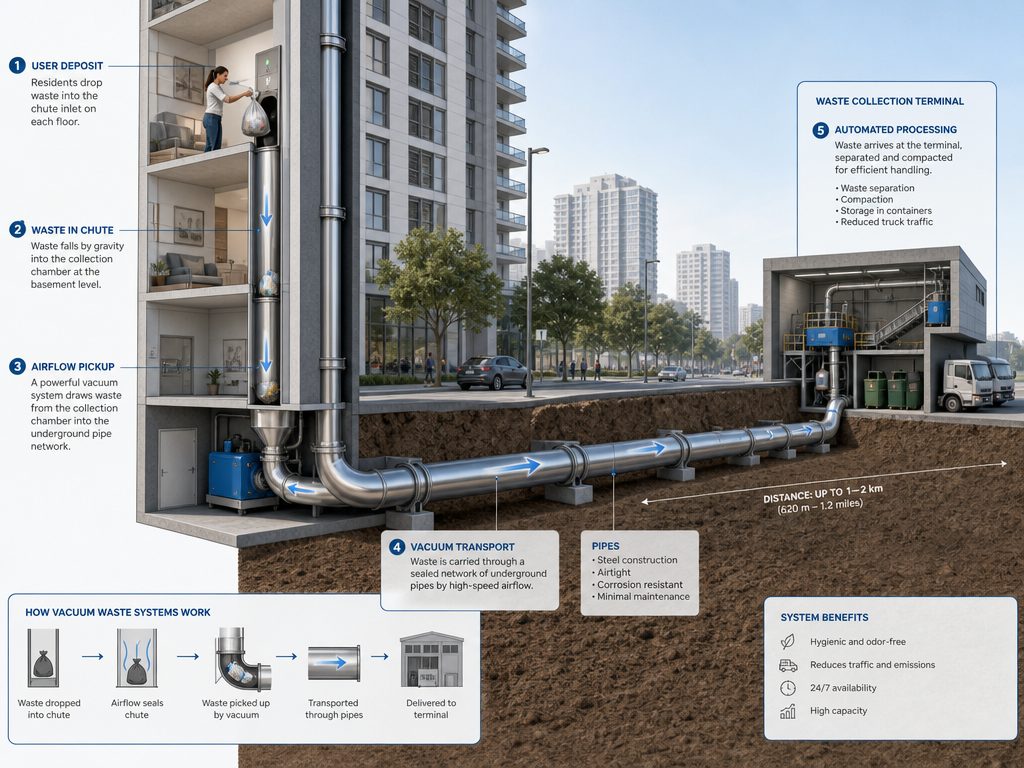
Beyond housing and transport, the physical cleanliness of Singapore is often noted by outsiders, though it is usually attributed to strict anti-littering laws and manual sweepers. In reality, the maintenance of the city’s hygiene is increasingly handled by invisible, automated systems operating beneath the pavement.
A prime example is the Pneumatic Waste Conveyance System (PWCS), an underground refuse collection infrastructure that replaces traditional garbage trucks with automated vacuum systems. The system uses underground vacuum-type pipes and sensors to monitor and transport waste directly from individual units to a centralized collection bin. By pulling trash through subterranean tubes at high speeds, the city eliminates the smell, pests, and labor associated with manual waste management.
While this technology is heavily deployed across new HDB estates, such as Tengah, and selected private developments, it is not a blanket rule universally enforced across every single private residential build nationwide without variance. It is mandatory only in new non-landed private residential developments that meet a minimum dwelling threshold of 500 dwellings. The efficiency gains remain significant. Dr. Cheong Koon Hean, writing for GovInsider, stated that pneumatic refuse systems can reduce waste collection manpower requirements by 70 percent. This reduction is vital for a country facing a shrinking domestic labor pool.
The Lessons of the Managed Metropolis
These physical, technological, and social systems do not operate in isolation. They form a single, interlocking matrix that defines the mundane, day-to-day experience of Singapore. For the citizen, life is predictable, clean, and safe, not because of a shared cultural consensus, but because the physical environment has been designed to make disorder highly impractical.
For global cities grappling with rapid urbanization, Singapore offers a compelling case study. It demonstrates that high-density livability is possible when urban design and social engineering are treated as a cohesive discipline rather than separate bureaucratic departments. The park connectors, the housing quotas, the transit subsidies, and the underground waste pipes are all part of the same plan to keep six million people from grinding against one another.
However, the model also raises questions about the ultimate cost of order. A city built entirely on top-down administrative control risks crowding out the organic, bottom-up agency of its citizens. When every square meter of green space is planned, every neighbor is mathematically allocated, and every piece of trash is vacuumed away by automated sensors, the space for spontaneous community action shrinks. The challenge for Singapore, and for any city that attempts to replicate its success, is to decide how much human unpredictability can be tolerated in the pursuit of a perfect system.